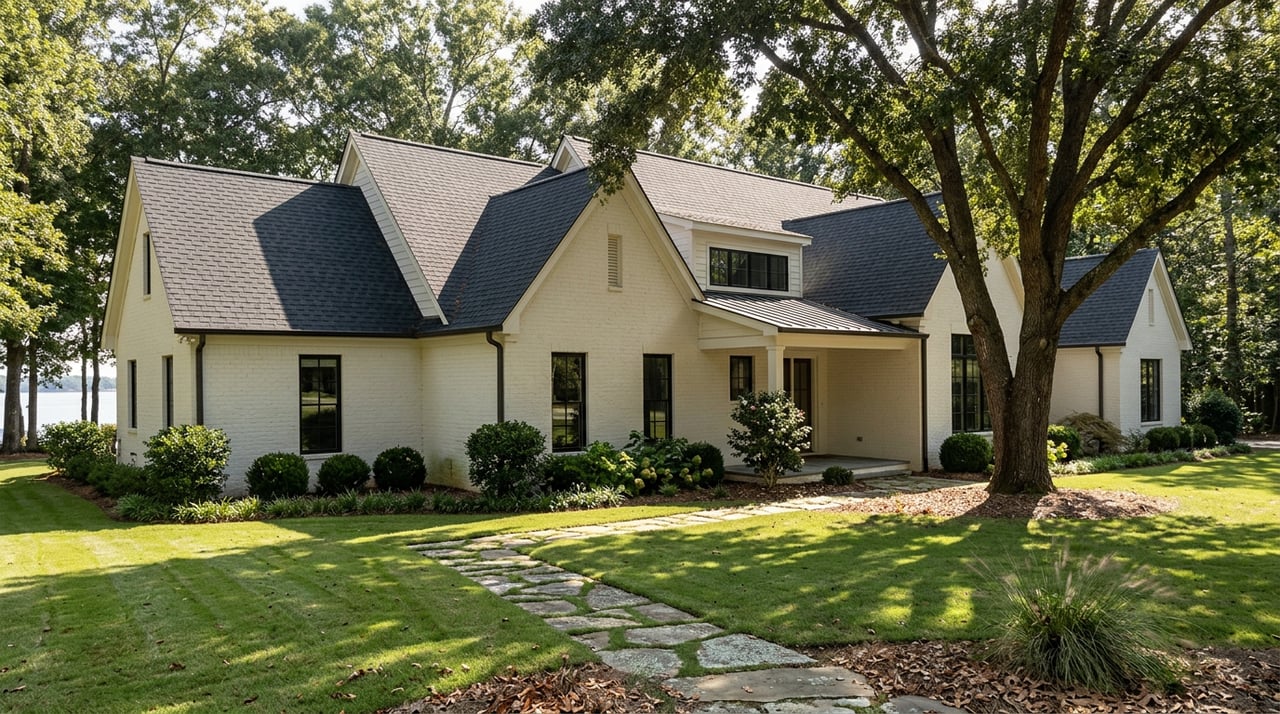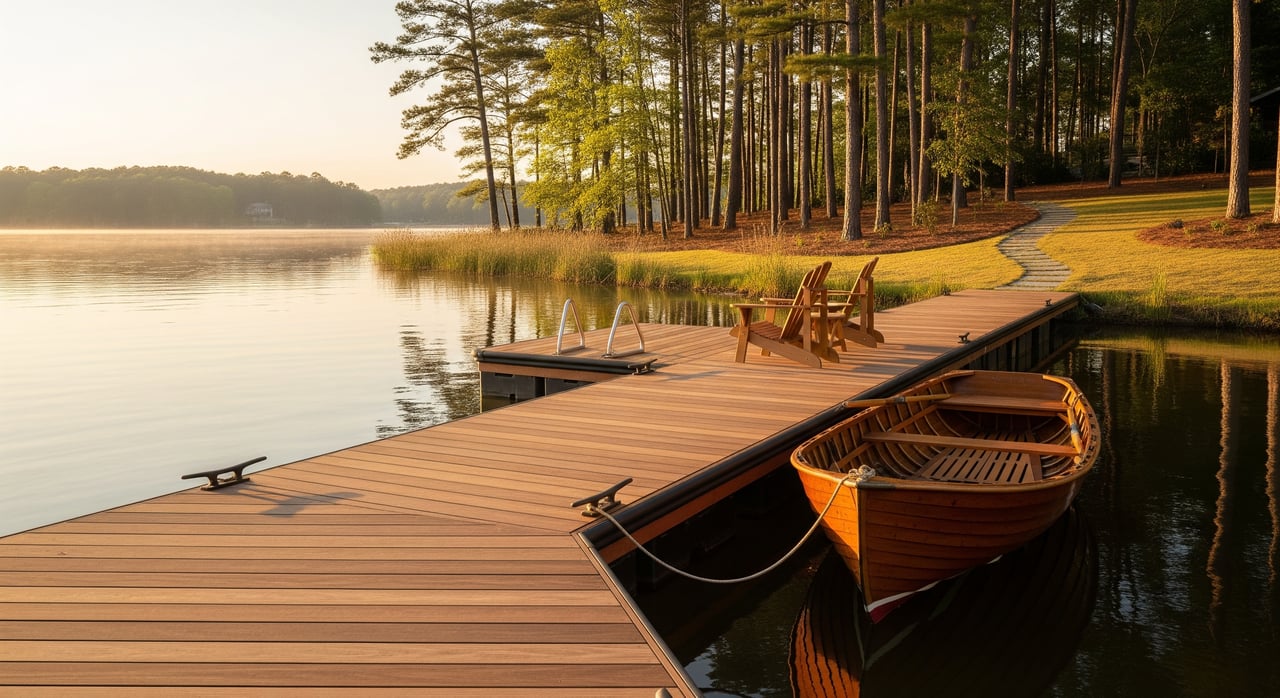
Thinking about a lakefront home where you can step onto your own dock and go? At Lake Oconee, that dream is possible, but it comes with rules you need to understand before you buy. The shoreline is regulated, approvals can stack up, and timelines vary by project. In this guide, you’ll learn who controls the shoreline, which dock types fit common sites, what permits you may need, and how to protect your purchase. Let’s dive in.
Who controls Lake Oconee’s shoreline
Lake Oconee’s shoreline is primarily managed by Georgia Power through a formal Shoreline Management Plan (SMP). The SMP governs docks, boathouses, lifts, mooring buoys, vegetation, and how you use shoreline easements. In practice, this plan is the most important reference for what you can build, where you can place it, and how large it can be. You should confirm rules for your parcel directly with Georgia Power. You can start by reviewing resources at the Georgia Power website.
Other authorities may apply depending on your project’s scope:
- Federal: The U.S. Army Corps of Engineers (USACE) regulates certain in-water work, including dredging, fill, or structures under federal programs. Learn about federal permitting at the USACE site.
- State: The Georgia Environmental Protection Division (EPD) oversees state environmental rules, buffers, and erosion control. Explore state permitting programs at the Georgia EPD site.
- Local: Greene County may require building and zoning permits, inspections, and setback or septic compliance for shoreline access and related structures.
- Private: HOAs and recorded covenants can be stricter than public rules, setting standards for dock design, materials, and placement.
The bottom line for buyers near White Plains: owning waterfront land does not automatically guarantee the dock you envision. You need to confirm the site’s status under the SMP, any existing licenses, and whether there are unresolved violations.
Common dock types on Lake Oconee
Different dock designs fit different sites and goals. Your shoreline slope, water depth, and HOA standards will influence what is feasible.
Seasonal floating dock
A floating platform that rises and falls with the water. It is often simpler and cost-effective to permit, but practicality depends on water level patterns and your shoreline grade. If convenience matters most, check how seasonal conditions affect access.
Permanent floating dock on piles
This hybrid floats but is anchored to pilings for stability. It stays in place year-round and may face higher review and fees. It can be a good fit where you want stability but prefer a floating surface.
Piling-supported fixed dock
Pilings are driven into the lakebed with a deck above. This is durable and handles heavier use, but it usually draws more regulatory attention and higher construction costs. Expect a longer timeline if federal or state permits are needed.
Covered boathouse or slip structure
These offer shelter and storage, but they are typically the most regulated structures. Many SMPs limit or prohibit boathouses or restrict their size and design. Approval is not guaranteed, even if neighbors have one.
Boat lift-only structures
These are smaller platforms that support a lift with minimal decking. They can simplify access for a single boat, though they are still regulated under the SMP.
Mooring buoys
Buoys can help with docking or boat storage, but the SMP often limits how many you can place and where. Licenses or approvals are commonly required.
Key siting factors to evaluate
- Shoreline slope and bank material. Steeper grades may require longer gangways or added stabilization.
- Water depth and seasonal variability. Confirm depth at your proposed footprint and how it changes.
- Adjacent property lines and existing docks. Minimum offsets protect navigation and views.
- Habitat and vegetation. Sensitive areas can limit placement or trigger mitigation.
- Upland access. If the path is long or steep, plan for stairs or walkways that meet local code.
Tradeoffs to consider
- Simpler floating docks can move faster through approvals but may be less convenient in certain seasons.
- Fixed docks and boathouses deliver more functionality but typically require deeper review, longer timelines, and higher costs.
- HOA or covenant standards may require specific materials or finishes that affect price and design.
Permits and approvals: who to contact
Most projects follow a similar sequence. Your contractor or consultant can help coordinate submittals and drawings.
- Georgia Power SMP approval. Expect an application, site plan or survey, dimensional details, and fees. Older docks may have grandfathered elements, but you still need documentation and current license status.
- Greene County permits. Building, zoning, and inspections often apply, including checks for septic and setbacks tied to shoreline access improvements.
- USACE review. If your work involves dredging, fill, or in-water structures under federal jurisdiction, check whether a nationwide permit or pre-construction notification applies. Start at the USACE regulatory resources.
- Georgia EPD. State permits and erosion control may be needed for wetland impacts, buffer requirements, or water-quality protections. See programs at the Georgia EPD site.
- HOA or covenant approval. Many communities require design review and written approval before you build.
Tip: Licenses issued by Georgia Power are typically revocable and include maintenance obligations. Make sure you understand renewal and compliance requirements.
Timelines and what to expect
- Simple floating dock under the SMP: weeks to a few months.
- Fixed dock, piles, elevated walkways, or lifts: several months. If federal or state permits are needed, plan for 3 to 6 months or more.
- Projects involving dredging or full federal review: 6 to 12 months or longer depending on scope.
- Emergency repairs may move faster, but documentation is usually required.
Due diligence for buyers in White Plains
Do your homework early so your offer reflects both opportunity and risk. This is especially important for lakefront homes and lots where your dock plans drive value.
Before you make an offer
- Get an up-to-date survey that shows waterfront boundaries and any shoreline easements.
- Ask the seller for copies of the Georgia Power dock license, county permits, and any USACE or EPD approvals.
- Review recorded covenants, restrictions, and HOA rules that affect dock design and shoreline work.
- Confirm there are no outstanding violations, remediation orders, or unpaid shoreline fees tied to the property.
Technical checks to protect your plan
- Hire a qualified marine contractor to inspect any existing dock and advise on replacement or upgrades.
- Consider a shoreline assessment that reviews slope, bank stability, soil type, depth contours, and submerged hazards.
- If you plan improvements, request preliminary guidance from Georgia Power on feasibility before a formal application.
Contract protections that matter
- Include contingencies for permit and license verification.
- Require the seller to provide complete documentation of all approvals.
- Reserve the right to cancel if required approvals are not obtainable or would materially change your intended use.
- Consider an escrow holdback or a seller obligation to resolve permit issues before closing.
After you’re under contract
- Obtain written site approval from Georgia Power before construction.
- Secure county permits and any needed USACE or EPD approvals.
- Engage a dock contractor experienced with Lake Oconee’s SMP and local standards.
- Budget for license fees, permits, drawings, contractor costs, and potential erosion control or riprap.
Red flags to watch
- Licenses vs. permits. A Georgia Power license is not the same as a county building permit. You may need both.
- Encroachments. Docks that cross property lines or exceed allowed setbacks can trigger enforcement or removal.
- Vegetation removal. Cutting trees or clearing bank vegetation without approval can lead to violations and mitigation.
- Dredging. This is heavily regulated and costly, with no guaranteed approval. Expect deeper review from USACE and EPD.
Practical next steps
- Request from the seller any Georgia Power dock license, county permits, HOA documents, and regulator correspondence.
- Order a recent boundary survey that shows the waterfront lines and, if possible, depth soundings.
- Contact Georgia Power Shoreline Management to confirm active license status and parcel-specific SMP requirements.
- If you plan a new or modified dock, ask a dock contractor to prepare a feasibility sketch and outline likely approvals.
- Add contract contingencies to verify permits and resolve noncompliance before closing.
- Budget time and funds for permits, design changes, or mitigation to meet SMP, county, and HOA standards.
Work with an experienced local advisor
Waterfront due diligence can make or break your lake experience and your long-term property value. If you want appraisal-informed guidance on shoreline rules, license status, and how dock feasibility impacts pricing, connect with a trusted local team. For clear answers and a smooth process around Lake Oconee, reach out to The Howard McMichael Team for buyer representation backed by valuation expertise.
FAQs
If a Lake Oconee home already has a dock, can I keep using it?
- Existing docks may be licensed or grandfathered, but you should obtain all documents, verify transferability with Georgia Power, and check for violations or maintenance requirements.
Can I build a boathouse on Lake Oconee near White Plains?
- Boathouses are often more restricted under the SMP and may be denied; approvals depend on specific rules and any required federal or state permits.
How close can my neighbor’s dock be to mine at Lake Oconee?
- Minimum offsets are set by the SMP and your license terms to protect navigation and sightlines, so check parcel-specific requirements with Georgia Power.
Will dredging be allowed for a deeper slip in Greene County?
- Dredging is highly regulated and requires federal and state review; approval is not guaranteed and may involve mitigation and longer timelines.
Who is responsible for repairing a storm-damaged dock on Lake Oconee?
- Owners are typically responsible; Georgia Power licenses require safe maintenance, and you should confirm your insurance coverage and license obligations.