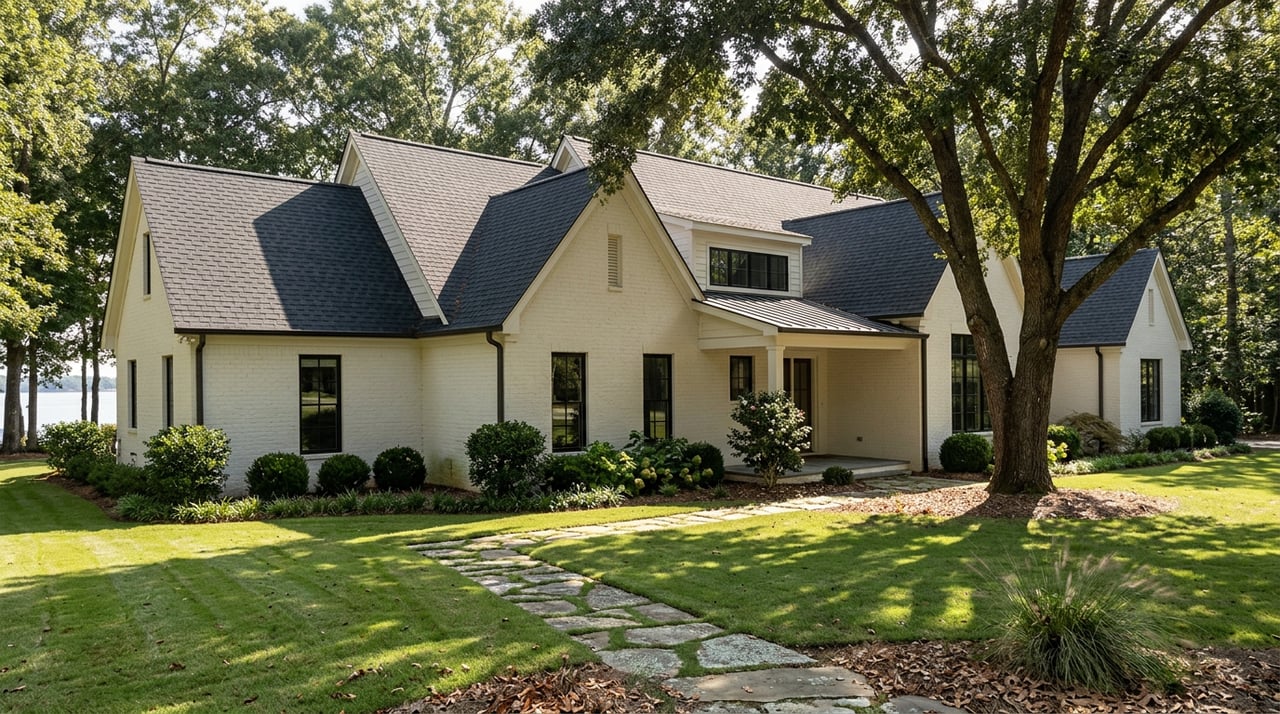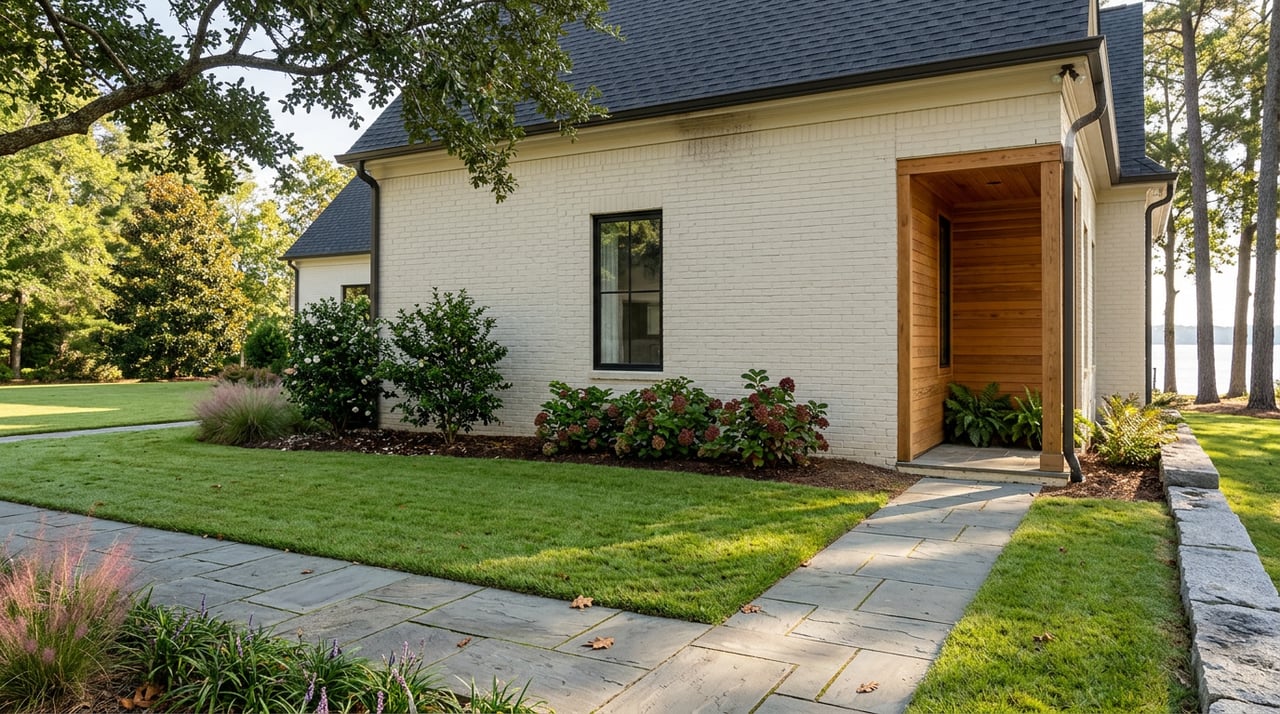
Are you weighing a sweeping Lake Oconee view against having more shoreline for a dock? It is a common question for buyers in the White Plains area of Greene County, where coves, points, and shoreline shapes vary from lot to lot. You want a property that fits how you live, protects your investment, and avoids permitting surprises. In this guide, you’ll learn how water frontage, view, cove width, and orientation each impact enjoyment, costs, and value around Lake Oconee. Let’s dive in.
What “water frontage” means here
Water frontage, also called shoreline footage, is the length of your property line that touches the lake at the normal pool or high-water elevation. Surveyors determine this by referencing the recorded plat, locating the high-water mark, and measuring between the property corners along the waterline. County tax maps may estimate footage, but they are not always precise.
More linear feet can mean options for dock placement, a greater buffer from neighbors, and flexibility for shoreline amenities. That said, shape matters. A long, narrow strip along the water can show big numbers but limit usable upland area. A pan-shaped cove lot might offer a lot of shoreline but have shallow water that complicates docking. Shoreline footage alone does not guarantee good access. Water depth, aquatic vegetation, and bottom conditions all play a role.
In valuation, buyers and appraisers tend to weigh footage alongside functionality. Usable, dockable frontage typically carries more value than raw linear feet that are shallow or hard to access.
What “view” really includes
A strong lake view is about more than seeing water. Visual quality is influenced by the angle of view, the distance to open water, unobstructed sight-lines, and the overall aesthetic from the home site. Elevated or point settings can deliver panoramic views that feel private, even with modest shoreline footage.
Orientation also shapes the experience. South-facing exposure often yields more sunlight on the water, while west-facing exposure is prized for sunsets. Tree cover changes seasonally, so a lot that feels enclosed in summer may open up in winter. Consider how views shift across time of day and seasons.
Cove width and orientation: quiet vs open water
Cove width affects boating, swimming, and daily feel. Narrow coves tend to be sheltered with less boat traffic and reduced wakes. Many buyers like these for swimming and protected docking, though views can be narrower and sun angles can be more limited. Wider coves and open points provide broader views and more maneuvering space for boats, but they are also more exposed to wind and waves.
Orientation relative to prevailing summer winds matters for wave action at the dock and shoreline erosion. Dock alignment and placement should account for how wind and boat wakes interact with the shoreline. A well-sited dock in a protected pocket can outperform a larger dock in an exposed location.
Regulatory realities that shape your options
On Lake Oconee, the shoreline is subject to rules and permits that directly affect what you can build or modify.
- Georgia Power manages the reservoir and administers a Shoreline Management Program that governs docks, piers, and shoreline alterations. Always verify that any existing dock is properly permitted and whether changes or new construction will be approved.
- Greene County offices handle upland items such as building permits, septic and well setbacks, and other construction approvals. Confirm these early, especially if you plan a new build or an addition near the water.
- The Georgia Department of Natural Resources oversees boating and fisheries regulations that affect lake use.
- FEMA Flood Insurance Rate Maps determine flood zones. Lenders may require flood insurance in certain zones, and premiums can be material. Insurers may also require risk mitigation for docks and structures.
- The University of Georgia Extension provides practical guidance on erosion control and shoreline buffers, which can inform long-term maintenance and vegetation decisions.
Before you rely on any single attribute, confirm permits, setbacks, flood zone status, and the ability to execute your future plans.
How frontage and view affect value
In the White Plains and broader Lake Oconee market, buyers pay premiums for both functional waterfront and high-quality views. The higher value depends on your intended use, lot topography, and regulatory constraints.
- A boater who wants multiple slips might prioritize usable, dockable frontage in a wide or well-protected cove with reliable depth. A slightly narrower view could be acceptable if the dock works well.
- A buyer focused on visual seclusion might prioritize an elevated point with panoramic exposure. Shorter frontage can be fine if the sight-lines are unobstructed and aesthetically strong.
- Families who want calm water for swimming often favor sheltered coves with lower wake exposure, even if the views are more limited.
In practice, long frontage on shallow or vegetated shoreline can price below a shorter-frontage point with deep water and a broad view. The premium per linear foot often declines as footage increases, and market behavior varies by micro-location. Appraisal-informed pricing weighs frontage, view, cove dynamics, orientation, and usability together, then tests those factors against recent comparable sales.
Due diligence checklist for White Plains buyers
Use this quick checklist to protect your plans and budget:
- Obtain the recorded plat and a recent, stamped survey that shows shoreline footage at normal pool elevation.
- Confirm who controls the lakebed at the property line and verify any existing dock’s permit status with the shoreline manager.
- Check the FEMA flood zone designation and get preliminary flood insurance estimates from your insurer.
- Measure or observe water depth at likely dock locations during different times of year when possible.
- Consult Greene County planning and building offices about setbacks, septic requirements, and permits for proposed improvements.
Smart questions to ask
Ask the listing agent or seller:
- How was the shoreline footage measured, and at what pool elevation? Is there a certified survey?
- Is the existing dock permitted, and is the permit transferable?
- Has the shoreline experienced erosion? Is there riprap or a seawall, and when was it last inspected or replaced?
- Are there easements or restrictions that affect the shoreline, dock rights, or tree removal that could impact the view?
- What are typical boat traffic patterns nearby, including known high-wake times or no-wake areas?
Ask professionals before or after your offer:
- Surveyor: Can you verify shoreline footage, lot corners, and the high-water mark on a stamped boundary survey?
- Shoreline engineer or dock contractor: What is the feasibility, likely cost, and permitting path for the desired dock configuration?
- Appraiser: How did recent local comps price combinations of frontage, cove width, and orientation in the last 12–24 months?
- Insurance agent: What are estimated homeowner and flood insurance premiums, and what mitigation steps could help?
- Shoreline manager contact: What approvals are required for a new dock or shoreline alteration at this location?
On-site walkthrough tips
- Walk the full shoreline at normal lake level and note water depth, substrate, vegetation, and any signs of erosion or bank instability.
- Observe sun angles in the morning and evening, and consider seasonal tree cover for leaf-on and leaf-off conditions.
- Study how neighboring docks and homes sit relative to your sight-lines and privacy.
- Consider how a deck, screened porch, and windows should face to capture light and views while minimizing heat and glare.
Putting it all together for your goals
Start with how you plan to use the lake. If your priority is boating and multiple slips, aim for functional, dockable frontage with dependable depth and straightforward navigation to the main channel. If you value sunsets and a wide horizon, elevation and point positioning could outrank raw shoreline footage. If you want a quieter experience with less wake exposure, a sheltered cove with thoughtful dock placement may serve you best.
The right choice balances frontage and view with cove width, orientation, topography, and the regulatory path. A precise, appraisal-informed approach can help you weigh trade-offs objectively and negotiate with confidence.
Ready to evaluate a specific Lake Oconee property in White Plains? Connect with The Howard McMichael Team for appraisal-backed guidance, lake-savvy buyer representation, and clear next steps.
FAQs
What is water frontage on Lake Oconee?
- It is the length of your property line that meets the lake at the normal pool or high-water elevation, measured along the waterline between the property corners by a surveyor.
Does more shoreline footage always mean better value?
- Not always. Usability matters. Depth, vegetation, lot shape, and dock permitability can outweigh raw linear feet when buyers and appraisers determine value.
Can I add or expand a dock near White Plains?
- Possibly, but you need approval through the shoreline management program for Lake Oconee. Verify the status of any existing dock permit and ask what configurations are allowed before you buy.
How do narrow vs wide coves affect daily use?
- Narrow coves are more sheltered with fewer wakes and can be easier for swimming and protected docking, while wide coves and points offer broader views and more wind and wave exposure.
Do west-facing lots cost more because of sunsets?
- West-facing exposure is often prized for sunsets, but pricing depends on the full package of features, including docking, depth, cove dynamics, and recent local comparable sales.
Will I need flood insurance for a lakefront home?
- It depends on your FEMA flood zone and lender requirements. Some parcels require flood coverage, and premiums vary, so it is important to check maps and get estimates early.