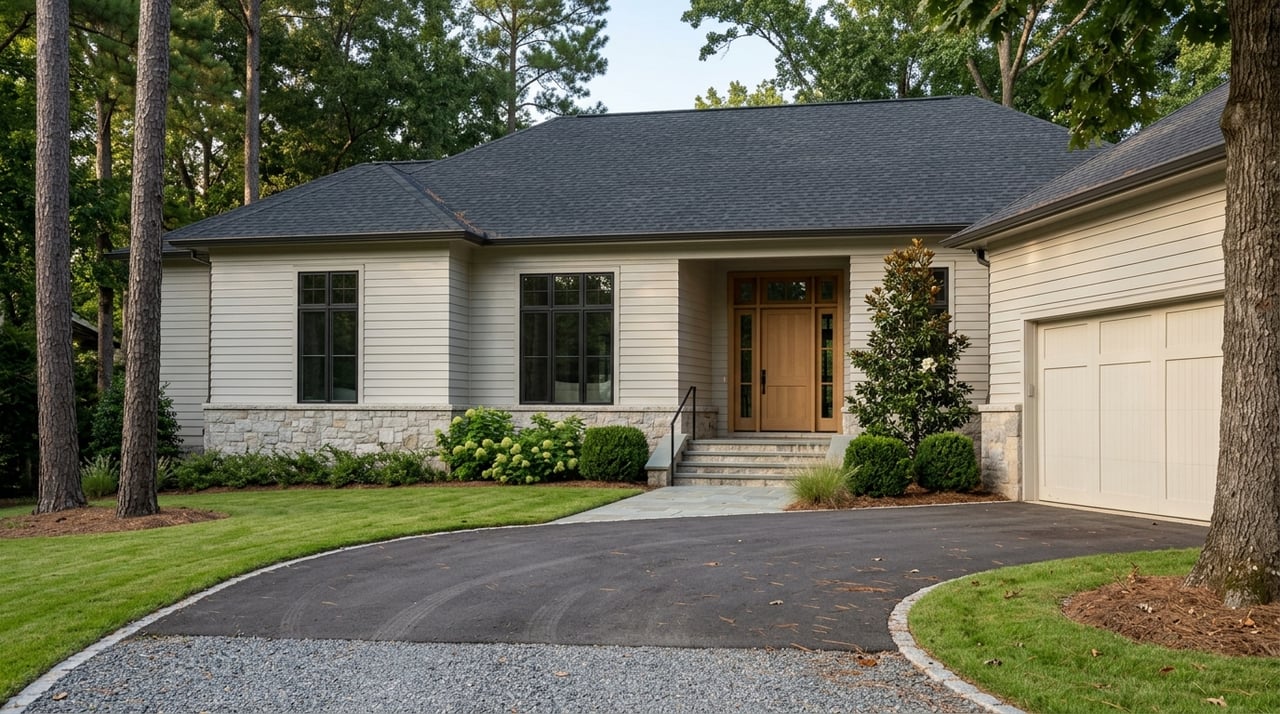
Thinking about buying or repositioning a Lake Sinclair cabin near Sparta as a vacation rental? It can be an appealing idea, especially on a lake that draws boaters, anglers, and weekend visitors year round. But before you count on rental income, you need to understand the rules, seasonality, and property-specific costs that can make or break the numbers. Let’s dive in.
Start With Rentability
Before you think about furnishings, nightly rates, or marketing photos, confirm that the cabin can legally operate as a short-term rental. In Hancock County, the Planning and Zoning Department develops and enforces zoning ordinances, land development regulations, and permits, so that is one of the first places to verify parcel-specific use.
If the property is in a subdivision or subject to a property owners association, do not assume lakefront ownership means short-term rentals are allowed. Recorded covenants may include leasing restrictions, minimum-night requirements, parking rules, guest limits, or dock-use rules. Under Georgia law governing property owners' association instruments, those documents can be amended in ways that restrict leasing, so reviewing them early is essential.
Verify Taxes Before Underwriting
A vacation-rental pro forma is only useful if the tax assumptions are accurate. According to the Georgia Department of Revenue hotel-motel fee guidance, the state hotel-motel fee is $5 per night on accommodations including cabins and other short-term rentals, and it generally applies until a stay reaches 31 or more consecutive days.
That same guidance notes the fee must generally be remitted monthly by the 20th of the following month, although a qualifying marketplace platform may be the collecting party. Even if a platform collects some charges for you, it is still smart to confirm registration requirements and understand what your actual net revenue will be after all fees.
Georgia also has a 4% state sales and use tax rate, but combined tax treatment should be verified for the exact Sparta or Hancock County parcel rather than estimated broadly. Local lodging-tax rules can change, and Hancock County commissioners discussed a hotel-motel tax resolution in a January 2025 work session, so local assumptions should be confirmed directly before you underwrite a purchase or renovation plan.
Understand Why Lake Sinclair Draws Guests
The demand story around Lake Sinclair is real, but it is tied closely to recreation. The U.S. Forest Service describes Lake Sinclair as a 15,330-acre lake with about 417 miles of shoreline, open year round for boating, fishing, swimming, hiking, picnicking, and camping.
That matters because guests are usually booking the experience as much as the cabin itself. A property with direct lake access, a usable dock, room for boat parking, and a simple route to the water will often tell a stronger rental story than a cabin that only looks good in photos.
Boating access is part of that appeal. Georgia Power's Lake Sinclair materials identify a boat-launch area on Ferry Road in Sparta, reinforcing the local pull for guests who want easy time on the water. For many owners, that means the best-positioned cabins are the ones that support real lake use, not just a lake address.
Plan for Seasonal Demand
If you are modeling income, seasonality matters. Central Georgia weather typically supports the strongest short-stay demand from late spring through early fall, when lake activity is at its peak.
The National Weather Service climate summary for Central Georgia notes hot, humid summers with afternoon highs in the lower 90s and 70 to 80 days of 90 degrees or higher. Winter is milder, with average highs in the mid-50s to lower 60s, which suggests the market may slow in cooler months without necessarily shutting down completely.
This year-round usability is one reason Lake Sinclair cabins can appeal to both lifestyle buyers and owners considering income potential. Still, your income projections should reflect stronger warm-season occupancy, weather-related interruptions such as thunderstorms, and softer shoulder or winter demand.
Price the Cabin Like a Specific Asset
One of the biggest mistakes buyers make is using generic vacation-rental assumptions. A Sparta-area Lake Sinclair cabin should be analyzed as a specific lakefront asset with features that directly affect guest demand, owner costs, and resale value.
The most important variables usually include:
- Direct lake access
- Dock quality and usability
- Bedroom and bathroom count
- Updated kitchens and baths
- Shoreline condition
- Boat parking
- Pet policy
- Whether zoning and covenants permit short-term rental use
That kind of analysis aligns with the Appraisal Institute’s guidance on market analysis, which emphasizes studying supply and demand and evaluating the income a property may produce. In plain terms, you want evidence-based underwriting, not hopeful math.
Know When Analysis Matters Most
A rental or valuation analysis is especially useful in a few key moments. If you are buying a cabin, planning a major renovation, deciding between personal use and rental use, or preparing for lender review, this is when better analysis can protect your downside.
The Appraisal Institute also notes that when use is uncertain or the market is changing, more intensive market analysis may be needed. That is particularly relevant for lake cabins, where legal use, shoreline improvements, and seasonal demand can shift the income picture quickly.
Budget Beyond the Mortgage
Gross booking revenue is not the same thing as investment performance. For a Lake Sinclair vacation rental near Sparta, you should reduce projected income by every recurring cost that affects actual cash flow.
That commonly includes:
- State hotel-motel fee
- Applicable sales or use tax
- Any verified local lodging tax
- Cleaning expenses
- Platform commissions
- Vacancy allowance
- Repairs and maintenance
- Utilities and turnover supplies
- Business-license or compliance costs, if applicable to the parcel
This is where many first-pass projections become too optimistic. A lake property may produce attractive revenue in peak season, but if your expense assumptions are too light, the return can look very different in practice.
Expect More Wear and Tear
Lakefront homes often need a larger reserve than inland properties. Sun exposure, humidity, guest turnover, and shoreline use all create more stress on the structure and systems over time.
That is especially true near Lake Sinclair, where shoreline improvements are regulated and can carry ongoing costs. According to Georgia Power’s shoreline management guidance, shoreline structures require permits, dock eligibility depends on lot and frontage rules, and seawall work may require county and state approval, along with stabilization measures.
For owners, the takeaway is simple: dock work, erosion control, and shoreline stabilization should not be treated like rare surprises. They are part of long-term ownership planning, and they should be reflected in your reserve strategy from the start.
Watch for Renovation Limits
Not every cabin or lot offers the same flexibility. Georgia Power also notes that on privately owned lots, a residential structure must be present before most shoreline structures other than a dock or seawall can be approved.
That can make tear-down opportunities, vacant lots, or major rebuild concepts more complicated than buyers first expect. If your plan depends on changing the footprint, improving shoreline features, or repositioning the property significantly, due diligence should happen before you commit to the purchase.
Focus on Features Guests Actually Value
The best-performing rental concept is usually not the one with the fanciest trend-driven finishes. It is the one that matches how people actually use Lake Sinclair.
For many guests, practical features can matter most:
- Easy water access
- Safe, usable dock conditions
- Comfortable sleeping layout
- Space for vehicles and boat trailers
- Durable finishes that handle turnover well
- Outdoor areas that support dining or relaxing
- Straightforward access to boating and fishing
In other words, function supports both guest experience and long-term maintenance. A thoughtful lake cabin can outperform a prettier one if it works better for real weekend use.
Take an Appraisal-Backed Approach
If you are deciding whether to buy, sell, renovate, or reposition a Lake Sinclair cabin near Sparta, the smartest next step is an evidence-based review of value and use. You want to know whether the property’s highest and best use is personal enjoyment, long-term rental, or short-term rental, and you want that answer tied to the parcel, the regulations, and the market.
That is where local experience and valuation discipline make a real difference. If you want guidance on a Lake Sinclair property strategy, connect with The Howard McMichael Team for appraisal-informed insight and a tailored plan.
FAQs
What taxes apply to a Lake Sinclair vacation rental in Hancock County?
- According to the Georgia Department of Revenue, short-term accommodations generally include a $5 per night state hotel-motel fee, and the state sales and use tax rate is 4% before any parcel-specific local treatment is verified.
What should you check before using a Sparta lake cabin as a short-term rental?
- You should confirm county zoning, permit requirements, and any HOA or recorded covenant rules, including leasing restrictions, guest limits, parking rules, and dock-use provisions.
What drives vacation-rental demand near Lake Sinclair?
- Demand is closely tied to lake recreation, including boating, fishing, swimming, dock access, and convenient launch access, supported by the lake’s year-round recreational use.
When is Lake Sinclair vacation-rental demand strongest?
- Based on lake use and Central Georgia climate patterns, demand is generally strongest from late spring through early fall, with milder winter conditions supporting some year-round appeal.
Why do Lake Sinclair cabins need larger maintenance reserves?
- Lakefront cabins face more wear from humidity, sun exposure, guest turnover, and shoreline use, and owners may also need to budget for dock repairs, storm cleanup, erosion control, and moisture-related maintenance.