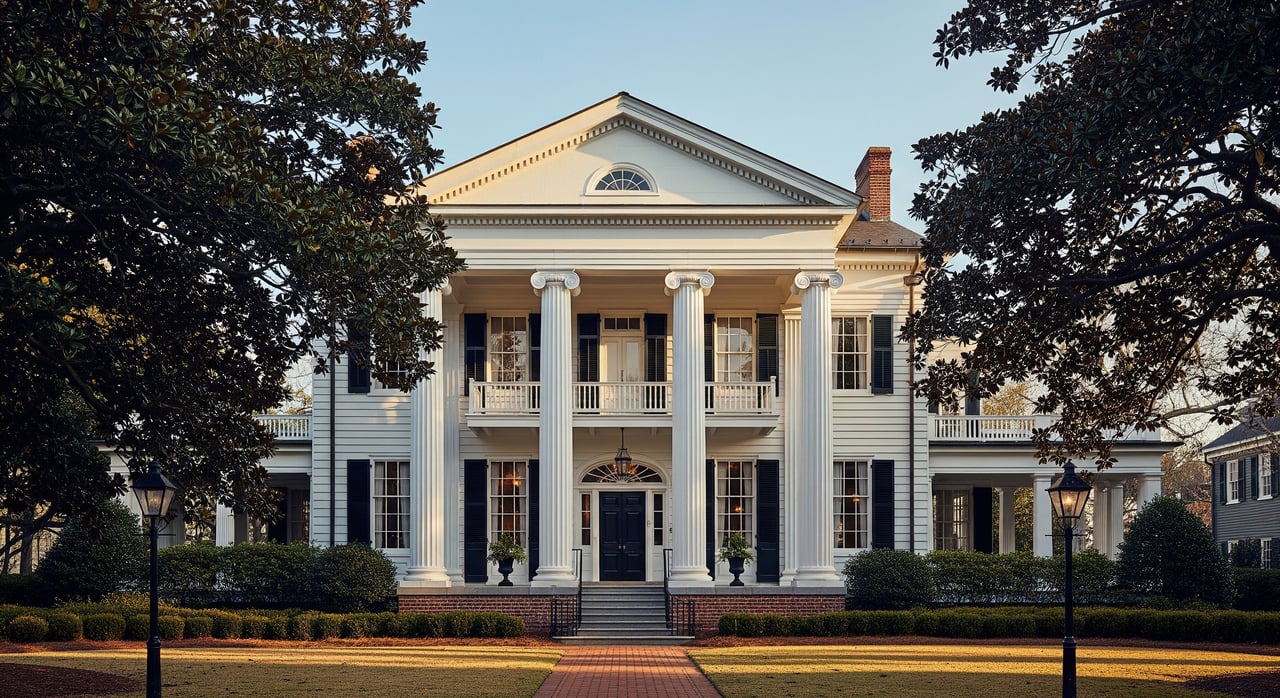
Do you love wide porches, tall windows, and streets with a real sense of place? If you are eyeing a historic home in Madison, you are not alone. These properties offer charm you cannot build today, but they also come with unique rules, renovation needs, and pricing dynamics. In this guide, you will see how the Madison market really works, how appraisers weigh value, what to expect from preservation rules, and how to plan your purchase with confidence. Let’s dive in.
Why Madison’s historic homes draw buyers
Madison is known for a strong mix of 19th and early 20th-century architecture near its historic core. You will find everything from smaller period cottages to larger antebellum and Victorian homes. That range creates a wide spread in prices and conditions across the market.
Buyers are drawn to character details, walkable streets near downtown, mature landscaping, and larger lots. Some investors also pursue vacation or short-term rental options in nearby lake country. Inventory for move-in ready historic homes is usually tight. More opportunities exist for properties that need renovation, which often require a patient and informed strategy.
How value is set: an appraisal-informed view
An appraiser’s toolkit helps you understand what a historic home is truly worth and how it stacks up against newer construction. A sales comparison approach is most common, supported by cost and income methods where needed.
Sales comparison in practice
The appraiser looks for recent sales of similar age, style, and location. True “like” comps can be hard to find when properties are unique. Adjustments account for condition, functional layout, lot quality, and preserved features such as original woodwork, mantels, or historic windows. Proximity to downtown and parks also matters.
When cost or income methods help
If a property is very unique or has extensive, high-quality renovations, the cost approach can provide a check by estimating land plus replacement cost minus depreciation. If a home is income-producing, such as a short-term rental or a house converted to a B&B, the income approach helps frame value based on revenue.
Key value drivers in Madison
- Architectural integrity and preserved period features tend to attract higher offers from buyers who prize authenticity.
- Modernized systems and updated kitchens and baths increase marketability and often value.
- Location within or near the historic district and lot quality support demand.
- Local design review and preservation covenants can protect neighborhood character, which supports long-term value, but the rules can limit flexibility for changes. Buyers weigh both sides when deciding what to pay.
Historic vs new: how to compare
Comparing a historic home to new construction is not just about price per square foot. You should weigh function, maintenance, and the cost of getting the older home to a similar standard of comfort and efficiency.
- Functional layout and efficiency: New homes usually offer open plans, larger closets, and higher energy performance from day one.
- Maintenance and systems: Historic homes can need electrical, plumbing, roofing, or foundation work. Budget for both known and unknown items.
- Character and setting: Historic architecture, mature trees, and a walkable setting have strong lifestyle value that newer subdivisions may not match.
- Market preference: In Madison, many buyers value historic character. Your appraiser can show how that preference shows up in recent sales.
Renovation reality: scope, costs, and timing
Historic homes can be incredibly rewarding, but the work often differs from a typical remodel. Plan carefully, choose the right experts, and build a strong contingency.
Common repair and upgrade needs
- Structural: foundation settling, sagging floors, or insect damage.
- Envelope: roof replacement or repairs, flashing, siding, or masonry repointing.
- Systems: knob-and-tube wiring, undersized electrical service, older plumbing, and aging HVAC.
- Environmental: lead paint or asbestos in older materials. Testing and proper abatement may be needed if you plan to disturb those materials.
- Historic features: windows, porches, and ornate woodwork often warrant careful repair. This can be more expensive than replacement, and some local rules may encourage repair over full replacement.
Hidden conditions and contingency
Unknowns are common in older structures. Build a contingency into your budget, often 10 to 25 percent, to handle surprises behind walls or under floors. Expect permitting and design review to add time and carrying costs to the project.
Upgrades that preserve value
Mechanical upgrades that do not harm the home’s character usually add comfort and marketability. Focus on electrical service, HVAC, and targeted insulation in attics or crawlspaces. Storm windows and careful weatherization often deliver efficiency without removing historic windows. Full window replacement may be discouraged by preservation bodies.
Choosing the right contractor team
Seek contractors and trades with experience in historic rehabilitation. Specialized crafts, such as millwork replication or masonry repair, can be more expensive and may have limited availability. Strong documentation and clear scopes help control quality and cost.
Rules, permits, and incentives
Understanding which rules apply helps you plan changes and avoid surprises. In historic areas, rules exist to preserve community character and long-term value.
Designations explained
- National Register of Historic Places: This recognition supports eligibility for certain incentives. By itself, it generally does not restrict what a private owner can do unless federal funds or permits are involved.
- Local historic district or landmark: Local ordinances often require a Certificate of Appropriateness before exterior changes, additions, or demolition. These reviews are handled by a local preservation or architectural review board.
- Preservation easements: Privately negotiated restrictions can permanently limit alterations. Easements run with the land and can affect resale and financing.
How review affects time and cost
Design review can add weeks or months to your timeline. Plans, material samples, and a qualified architect or contractor may be required. Some conditions can increase cost if specific materials or methods are expected. The tradeoff is protection of neighborhood fabric, which many buyers value.
Incentives to explore in Georgia
For income-producing historic properties, the Federal Historic Tax Credit program offers a 20 percent credit for certified rehabilitation. Owner-occupied homes generally do not qualify at the federal level, but state or local programs may offer grants or tax benefits. Check Georgia’s Historic Preservation Division and applicable local programs, and confirm eligibility before starting work.
Working with local staff
Reach out early to the City of Madison planning and historic preservation staff to understand district boundaries and the approval process. Prepare clear drawings, document existing conditions, and hire professionals who know the local standards. Early conversations can save time and rework later.
Smart financing for purchase and rehab
Several financing paths can bundle purchase and renovation or support larger scopes of work. Availability varies by lender.
- FHA 203(k) rehabilitation loan for primary residences. This program includes renovation costs in your mortgage and has specific consultant requirements.
- Fannie Mae Homestyle renovation loan for conventional borrowers. Renovation costs can be financed with the purchase.
- Construction or construction-to-permanent loans for extensive projects.
- Home equity or HELOC if you already own property.
- Portfolio lenders or local banks that manually underwrite historic renovations.
Coordinate appraisal expectations with your lender. Some renovation loans require documentation of post-rehab value. A local appraiser with historic property experience can help align your scope with market-supported value.
Due diligence checklist for buyers
A thoughtful process helps you buy the right house at the right price.
Pre-offer research
- Review recent sales and active listings in the historic district through the local MLS. Compare price per square foot, condition, and time on market.
- Confirm whether the property sits within a local historic district or has a historic designation. Ask for any Certificates of Appropriateness, recorded easements, or covenants.
- Review the Morgan County assessor’s records for tax history, parcel data, and assessed value.
- Request maintenance logs, permits for past work, and any professional reports from the seller.
- Consider location relative to downtown and lake amenities.
Inspections and specialists
- Order a general home inspection and add specialists as needed: structural engineer, termite and pest, chimney and roof inspections, and tests for lead paint or asbestos if you plan to disturb materials.
- Bring in a contractor familiar with historic repair methods to advise on what to preserve versus replace.
- Get multiple bids for major items before finalizing your offer.
Contract strategy
- Use inspection contingencies that address historic issues, including possible remediation for lead or asbestos and major structural repairs.
- Negotiate seller concessions or allowances if significant deferred maintenance appears during due diligence.
- If design review is required, address anticipated timelines and possible conditions in your contract planning.
At closing and after
- Keep complete records of all work, permits, and professional correspondence. This supports future appraisals, potential tax credit applications, and resale.
- If you plan to apply for incentives, confirm requirements and certification steps before starting any work.
A practical ARV framework you can use
If you are targeting a home that needs work, use a simple after-repair value plan to protect your budget.
- Identify 3 to 5 comparable sales of renovated historic homes in Madison or similar nearby areas. When possible, include comps that reflect your target style and location.
- Define the renovation scope and get cost estimates from experienced contractors. Include design review timelines and probable material choices.
- Estimate ARV, the expected market value after renovations, based on those comps. Ask a local appraiser to show how they adjusted for age, features, and location.
- Add total project costs: purchase price, renovation, design and permit fees, review costs, carrying costs, and a healthy contingency.
- Compare your all-in cost to the ARV. If the projected equity and lifestyle value meet your goals, proceed with confidence. If not, refine scope or shift your search to a property that is closer to your ideal condition.
When to choose historic, when to choose new
Pick a historic home if you value authenticity, walkable charm, and unique architecture, and you are prepared for extra maintenance and review steps. Choose new construction if you want modern layouts, lower near-term maintenance, and quicker timelines.
There is no right answer for everyone. The best choice fits your lifestyle, your tolerance for renovation, and your view of long-term value. An appraisal-informed plan helps you compare options in an apples-to-apples way.
Ready to shop Madison’s historic homes?
If you want character without guesswork, pair your search with valuation expertise. With certified appraisal leadership and a boutique, high-touch approach, we help you line up comps, weigh renovation against ARV, and navigate local rules so your move feels as good as it looks. Start a smart search with The Howard McMichael Team.
FAQs
Will a historic designation stop me from remodeling in Madison?
- National Register listing alone usually does not restrict private changes, but local historic district rules often require approval for exterior work. Confirm the local process before you plan your project.
Do historic homes in Madison cost more to own over time?
- Often they do, since maintenance and specialized repairs can be higher. Well-planned preservation can also help protect value over time.
Are there tax credits or grants for Madison historic homes?
- Federal tax credits focus on income-producing certified rehabilitations. Some state or local programs may offer incentives, so check eligibility and timing before work begins.
How will an appraiser value a Madison historic home versus new?
- Appraisers rely on comparable sales first, then adjust for condition, features, and location. Cost or income methods may support value in unique or income-producing cases.
Is a Madison historic home a better investment than buying new?
- It depends on your goals. If you value character and can manage renovation and review, a historic home can be very rewarding. If you want low maintenance and modern layouts, new construction may be a better fit.